

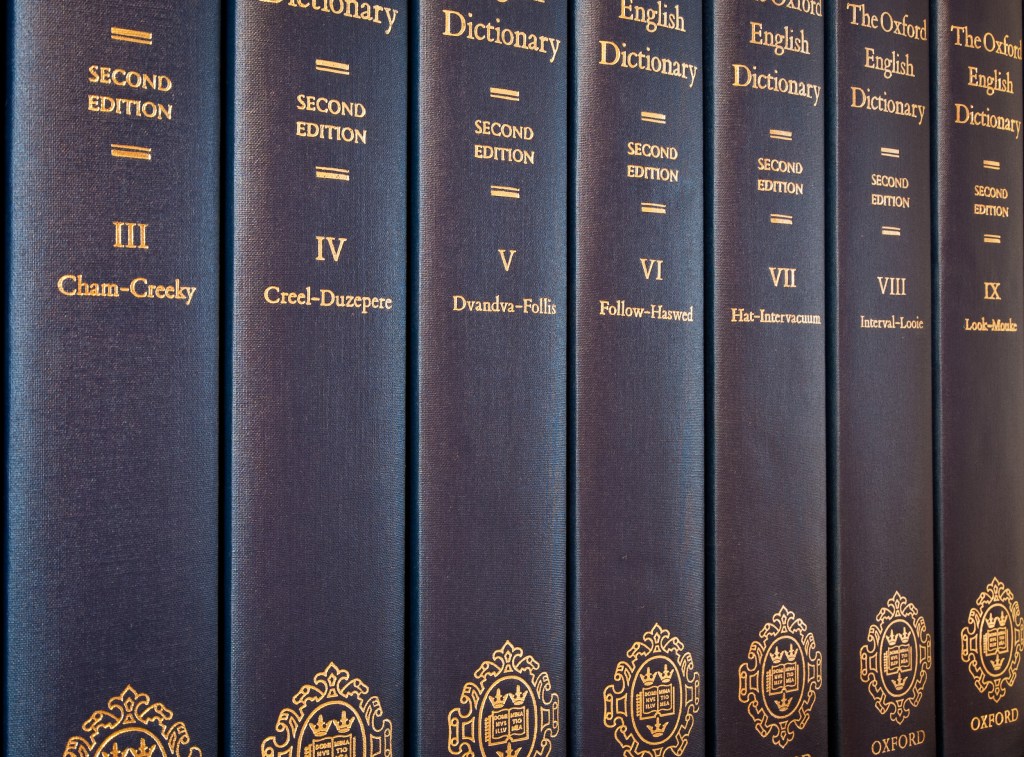
Language is a dynamic entity; it grows, evolves, and changes with each generation. English is no exception. To capture these nuances, dictionaries must adapt and reflect our ever-evolving linguistic landscape. In this article, we explore 10 new words that have made their way into the prestigious Oxford English Dictionary in the 21st century.
1. Selfie (2013)
Capturing the spirit of the digital age, ‘selfie’ has become an integral part of our online vernacular. Originating from Australia, this term describes a self-portrait photograph typically taken with a smartphone. It was named ‘Word of the Year’ by the Oxford Dictionaries in 2013.
Example Sentence: After reaching the summit of the mountain, Jake celebrated by taking a selfie with the breathtaking vista in the background.
2. Vape (2014)
Another ‘Word of the Year,’ vape came into existence as society’s answer to traditional smoking. Referring to the inhaling of vapor produced by an electronic cigarette, ‘vape’ encapsulates a significant societal shift towards technology-enhanced habits.
Example Sentence: Rather than smoking traditional cigarettes, Mia decided to vape, which she believed was a slightly healthier alternative.
3. Binge-watch (2015)
In the age of streaming platforms, ‘binge-watch’ was born. This term refers to the practice of watching multiple episodes of a television series or an entire movie franchise in one sitting. It’s a word that has swiftly come to embody a new way of consuming media.
Example Sentence: During the rainy weekend, Sam decided to binge-watch the latest season of his favorite show on Netflix.
4. Post-truth (2016)
Yet another ‘Word of the Year,’ post-truth emerged in the wake of a politically charged period worldwide. The term is used to define circumstances where emotional appeal and personal beliefs have more influence on shaping public opinion than objective facts.
Example sentence: In today’s post-truth society, it’s important to be critical of the information we consume and share, especially on social media platforms.
5. Cryptocurrency (2014)
As digital currencies like Bitcoin and Ethereum began to rise, so did the need for a word to describe them. Cryptocurrency refers to any digital or virtual currency that uses cryptography for security.
Example sentence: Despite the market volatility, many tech-savvy investors are looking to diversify their portfolios by investing in cryptocurrencies like Bitcoin and
6. Ghosting (2017)
In the realm of relationships, ‘ghosting’ denotes the practice of ending a personal relationship with someone by suddenly and without explanation withdrawing from all communication. Originating from the realm of online dating, it has found its place in everyday language.
Example sentence: After two weeks of silence and unreturned messages, Maria realized she had been ghosted, leaving her feeling confused and upset.
7. Climate Emergency (2019)
This term was named Oxford Dictionaries’ ‘Word of the Year’ in 2019, reflecting the growing global awareness of climate change. ‘Climate Emergency’ is a situation in which urgent action is required to reduce or halt climate change and prevent potentially irreversible environmental damage.
Example sentence: Given the increasing frequency of extreme weather events, more countries are recognizing the climate emergency and are taking steps
8. Infodemic (2020)
A portmanteau of ‘information’ and ‘epidemic,’ this term describes a rapid and far-reaching spread of both accurate and inaccurate information about something, such as a disease, leading to confusion or misunderstanding.
Example sentence: During the early days of the COVID-19 pandemic, an infodemic occurred, causing widespread panic and misinformation about the virus.
9. NFT (2021)
NFT, an acronym for Non-Fungible Token, came into existence with the rise of blockchain technology. These are unique digital assets that represent ownership or proof of authenticity of an item or piece of content, tied to blockchain technology.
Example sentence: Sarah purchased an NFT of a digital artwork, which not only gave her ownership rights but also supported the original artist directly.
10. Doomscrolling (2022)
With the surge of bad news and the ubiquity of smartphones, ‘doomscrolling’ became a common habit. This term refers to the act of continuously scrolling through negative news on social media or the internet, despite it causing distress.
Example sentence: Realizing she’d spent hours doomscrolling through pandemic news stories, Lisa decided to put down her phone and read a book instead.
The beauty of language lies in its ability to adapt and reflect the times we live in. From ‘selfie’ to ‘doomscrolling,’ these 10 words encapsulate the cultural, technological, and societal shifts that have marked the 21st century. As we continue to evolve, so too will our language, providing a fascinating insight into our world. It will be intriguing to see what new words the
*** How many words of these ten have you known already? Please share it with us in the comments below!
 Dr KATE
Thank you sir for the new words. Out of these, I know only post truth and selfie. Looking forward to more new words! Great efforts sir👌👌👌
LikeLiked by 1 person