

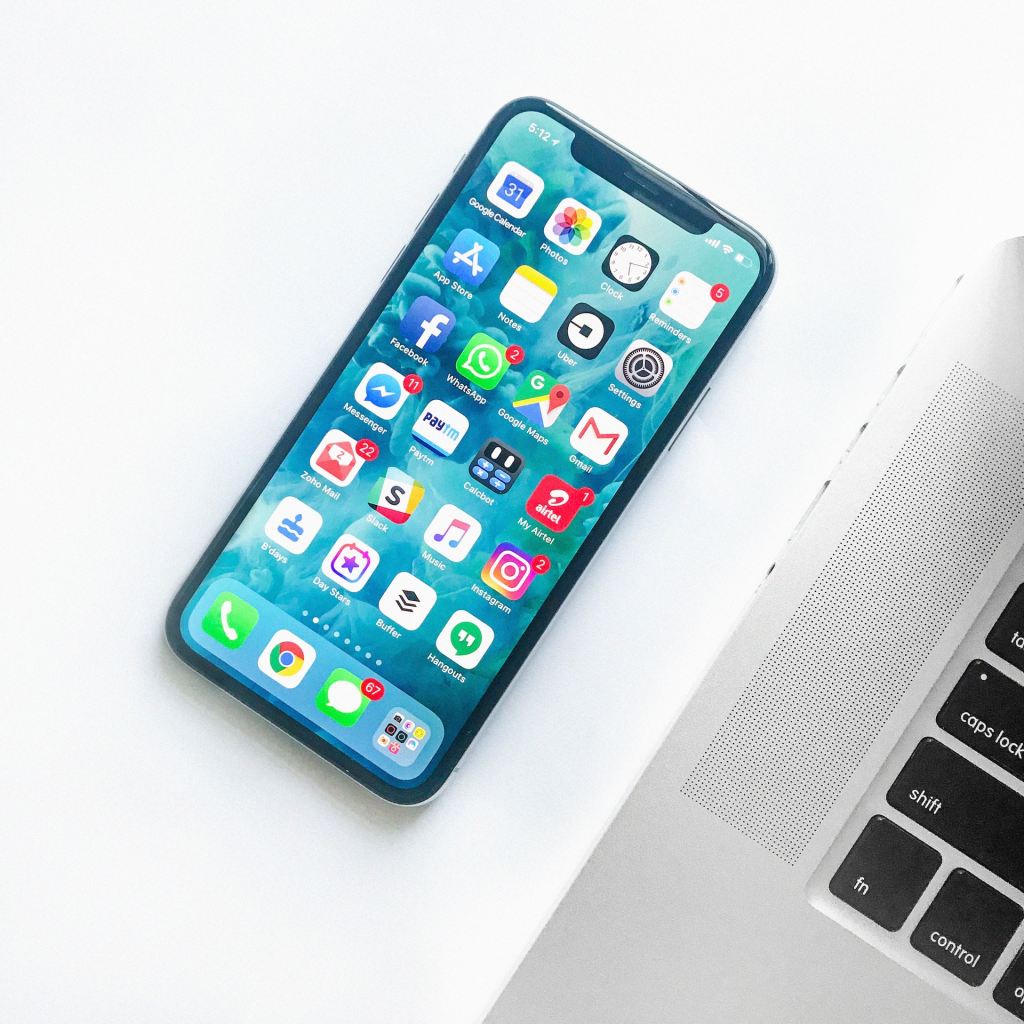
Language is a living entity that constantly evolves and adapts to the changing times. With the rapid advancement of technology, new words and phrases have become an integral part of our daily lives. One of the most influential inventions of our time, the mobile phone, has not only revolutionized communication but also contributed to the expansion of the English language. In this blog post, we will explore seven bizarre words that have entered the English lexicon since the introduction of mobile phones.
1. Selfie:
The rise of front-facing cameras on mobile phones gave birth to the term “selfie.” Coined in 2002, the word refers to a self-portrait photograph taken by oneself, typically with a smartphone. The phenomenon of selfies became so widespread that it eventually earned its place in the Oxford English Dictionary in 2013.
2. Phubbing:
Phubbing, a portmanteau of “phone” and “snubbing,” describes the act of ignoring someone in favor of looking at one’s mobile phone. With the constant temptation of social media and notifications, phubbing has become a prevalent behavior that affects personal interactions and relationships.
3. Textpectation:
Textpectation is the feeling of anticipation or expectation when waiting for someone to reply to a text message. As mobile phones have made communication instantaneous, this word aptly captures the anxiety and eagerness people experience while awaiting a response.
4. Nomophobia:
The fear or anxiety of being without a mobile phone or being unable to use it is called nomophobia. This word, derived from the phrase “no mobile phone phobia,” highlights the increasing dependence on mobile devices in our daily lives and the unease that arises when separated from them.
5. FOMO:
An acronym for “Fear Of Missing Out,” FOMO represents the anxiety or apprehension that arises from the fear of not being present or involved in an event or experience happening elsewhere. Mobile phones and social media platforms often exacerbate FOMO, as they constantly expose us to glimpses of others’ exciting lives and activities.
6. Textrovert:
As mobile phones facilitate text-based communication, a new breed of individuals emerged—textroverts. A textrovert is someone who feels more comfortable and expressive in text messages or online chats than in face-to-face conversations. Mobile phones provide an outlet for introverts to express themselves more freely and confidently.
7. Phubberati:
The term phubberati combines the words “phone” and “aristocracy” to describe individuals who constantly use their mobile phones, often to show off their status or wealth. The phubberati are often seen in public spaces engrossed in their devices, seemingly detached from the world around them.
The introduction of mobile phones has undoubtedly influenced and shaped the English language in remarkable ways. From selfie culture to social anxieties, our reliance on mobile devices has given rise to a new lexicon that captures the nuances of our digital age. As technology continues to evolve, we can expect the English language to adapt further, reflecting the ever-changing landscape of communication and the profound impact of mobile phones on our daily lives.
 Dr KATE
That was wonderful Sir. Thank you for letting us know about the new words. English is constantly evolving as a language and we need to adapt ourselves to keep pace with the latest.👍👌
LikeLiked by 1 person