

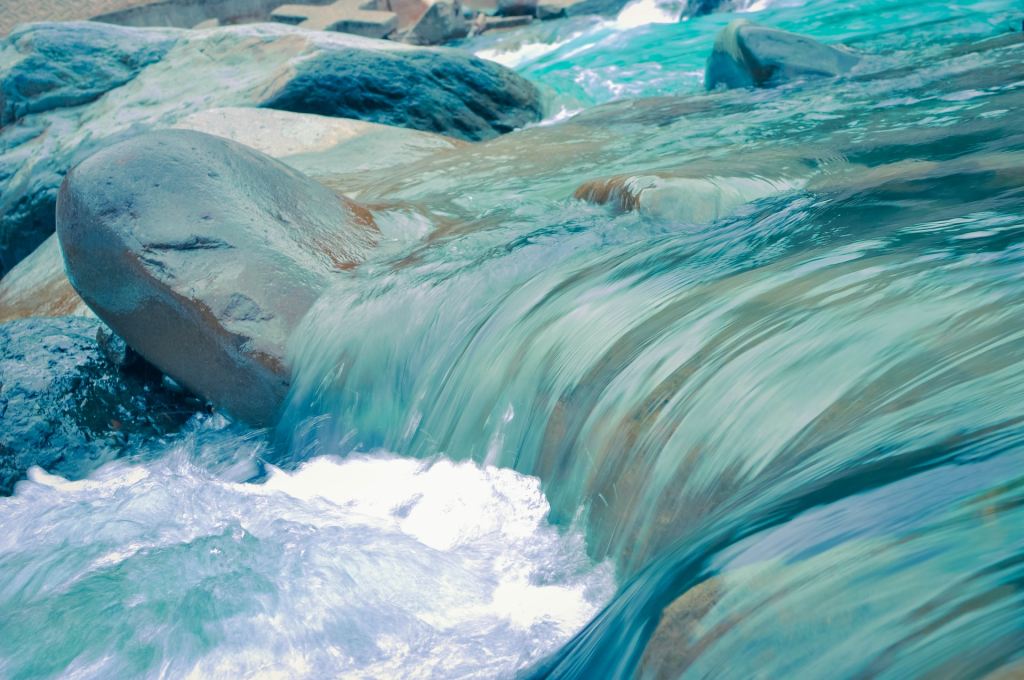
Nature is full of fascinating wonders, and one of its most captivating features is the abundance of flowing water bodies. From tiny brooks to mighty rivers, these bodies of water contribute to the beauty and diversity of our landscapes. While brooks, streams, and rivers might appear similar, they possess distinct characteristics that set them apart. In this article, we will explore ten different types of flowing water bodies and highlight their chief characteristics, unraveling the mysteries of these enchanting natural wonders.
Spring
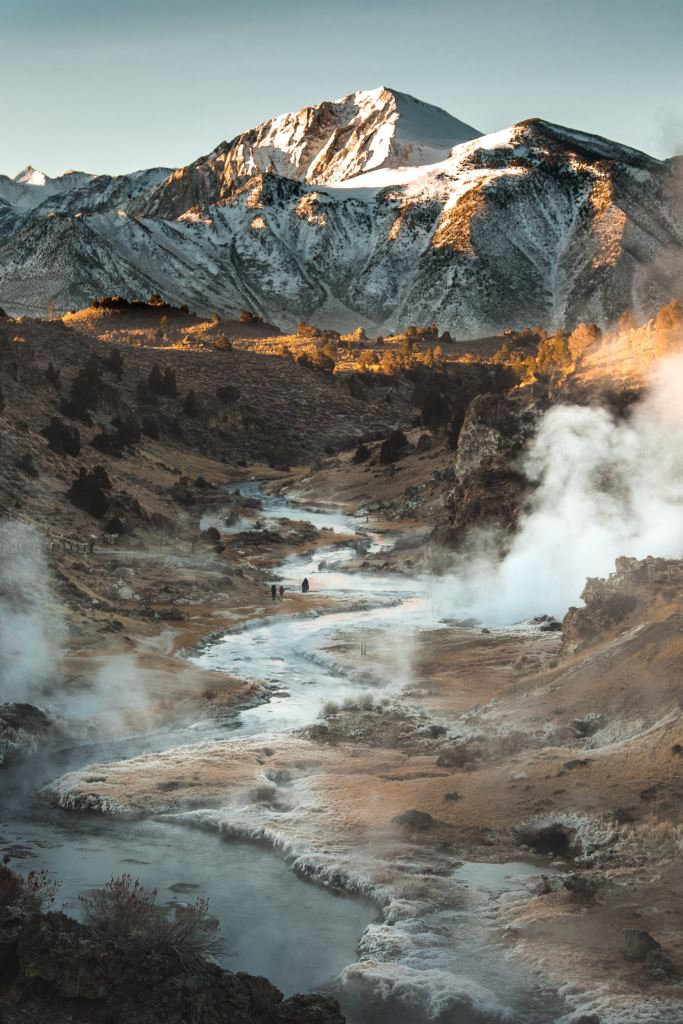
A spring is a source of water that emerges naturally from the ground, typically from an underground aquifer. It forms where the water table intersects the land surface. Springs can vary in size, ranging from tiny trickles to large gushing fountains. They provide a continuous flow of fresh water, often creating small streams or contributing to the formation of larger water bodies like rivers. Springs are essential sources of freshwater for both human consumption and supporting diverse ecosystems.
Brook
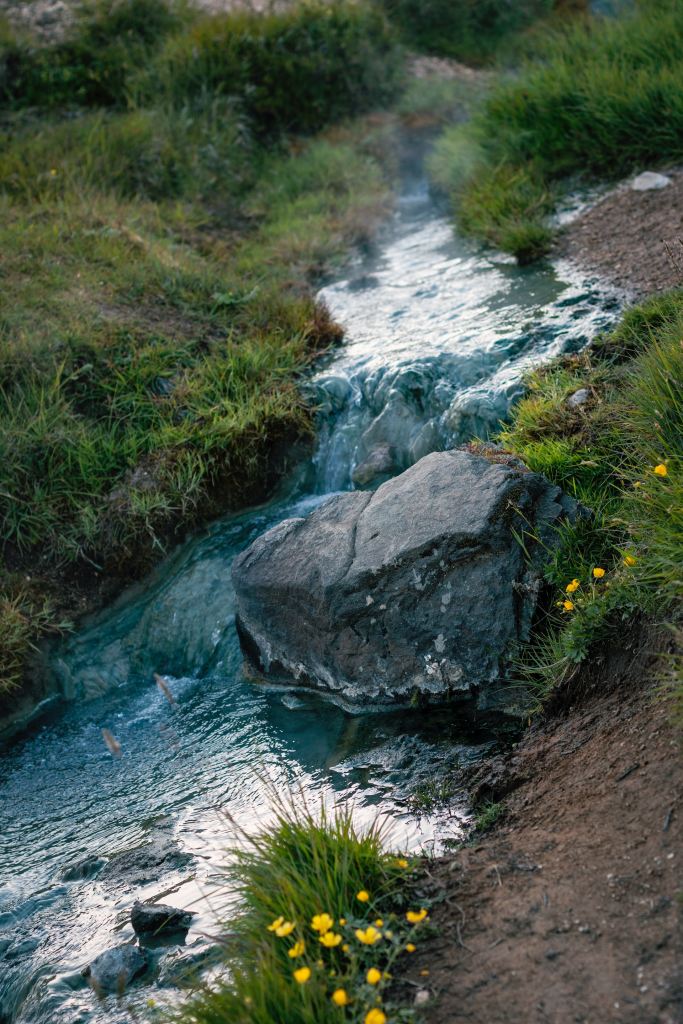
A brook is a small, narrow stream characterized by its gentle flow. It usually originates from a spring or seepage and is surrounded by lush vegetation. Brooks are typically found in wooded areas and emit a peaceful, soothing sound as they meander through the landscape. They are relatively shallow, allowing one to easily cross them by stepping on rocks or using small bridges.
Creek
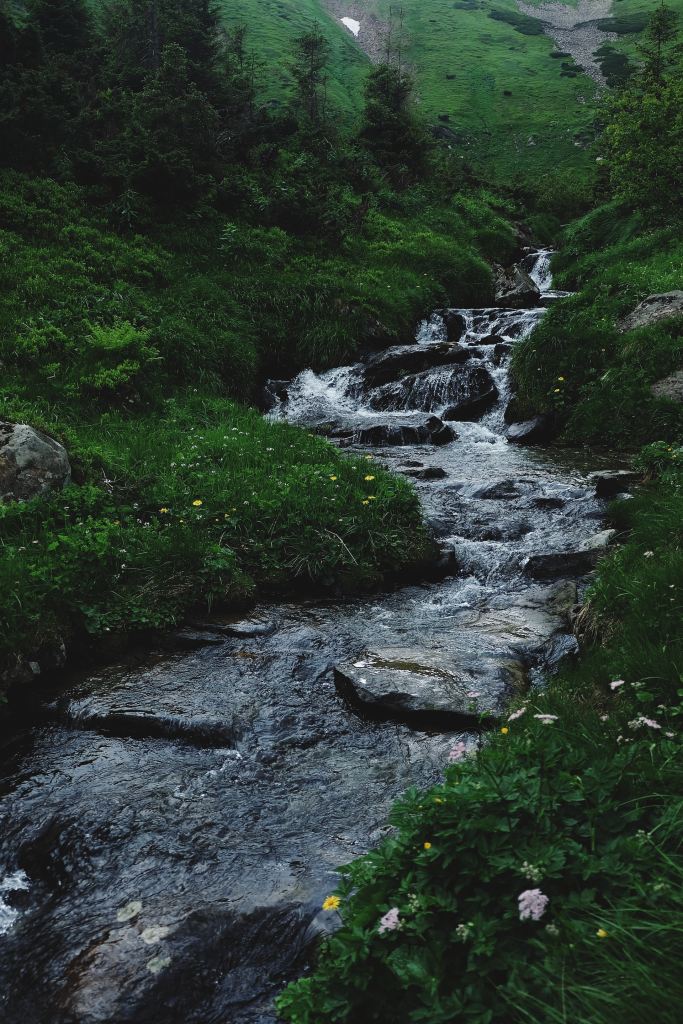
Similar to brooks, creeks are small bodies of water that usually flow through valleys or low-lying areas. Creeks can be intermittent, meaning they only flow during certain seasons or after rainfall. They are known for their charming, picturesque landscapes and are often characterized by rocky beds and small waterfalls.
Stream
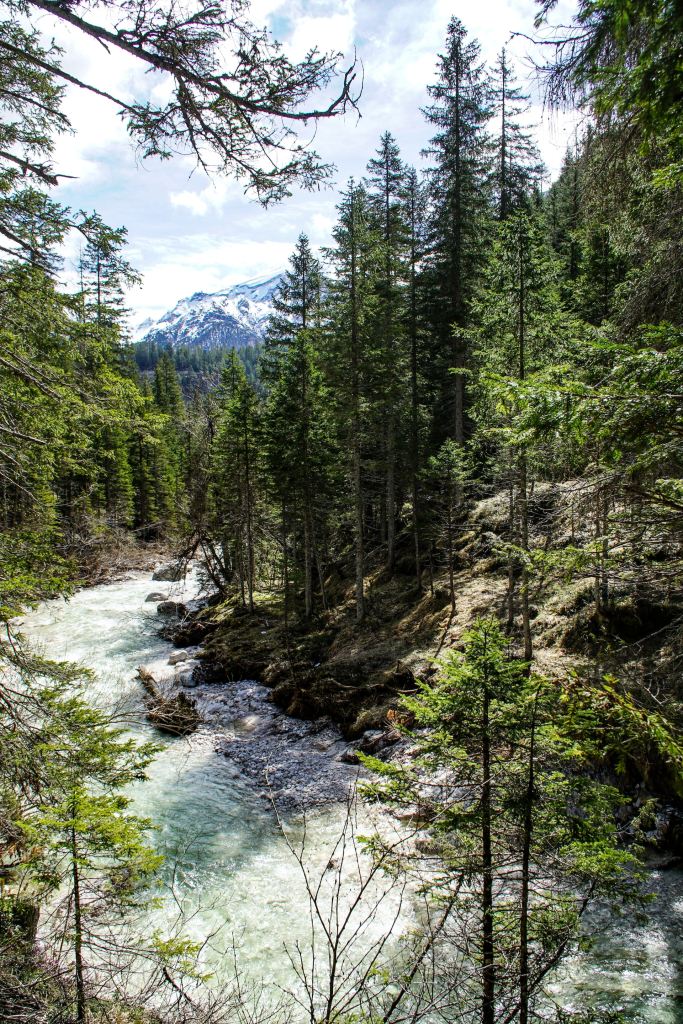
Streams are slightly larger than brooks and often merge with other tributaries. They originate from various sources, such as rainwater, melting snow, or underground springs. Streams can flow through diverse landscapes, including forests, meadows, and mountains. The water in streams is clearer than in brooks, making them suitable habitats for various aquatic organisms.
River
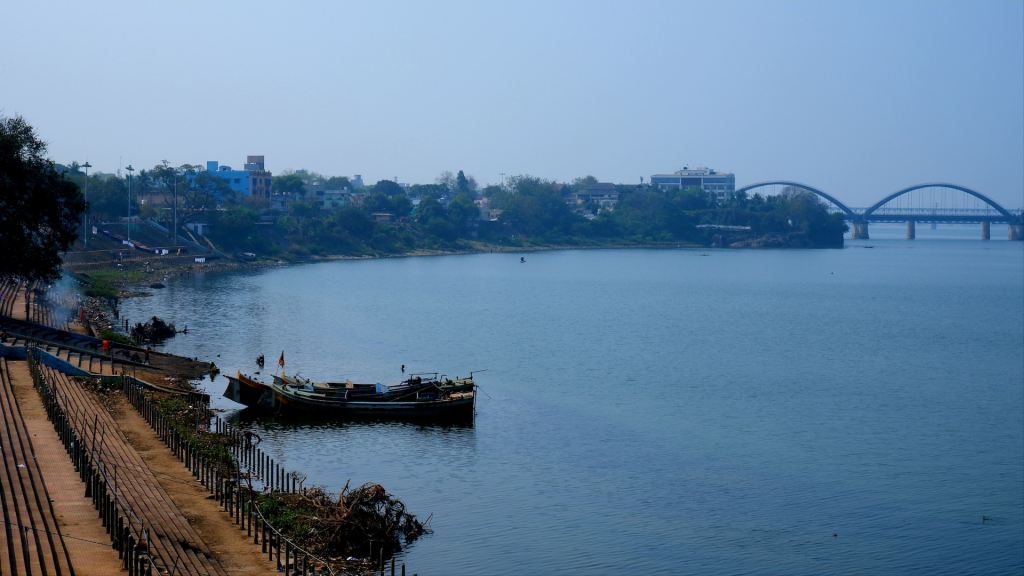
Rivers are powerful and majestic bodies of water that result from the convergence of multiple streams. They have a significant impact on shaping the surrounding terrain, eroding rocks, and creating valleys. Rivers can be wide and deep, providing important channels for transportation and irrigation. Their flow is generally stronger than that of brooks and streams, making them ideal for activities like rafting and kayaking.
Tributary
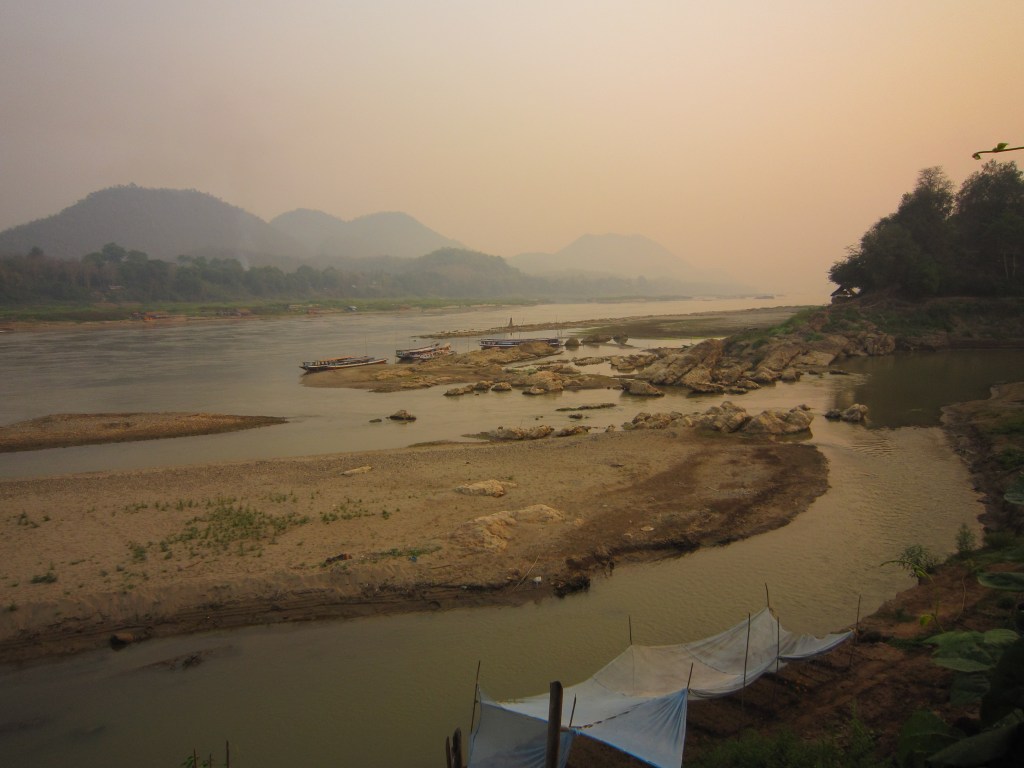
A tributary refers to a smaller river or stream that flows into a larger river. These smaller water bodies contribute to the overall volume and flow of the main river. Tributaries are essential for maintaining the health of river ecosystems by providing additional water and nutrients.
Estuary
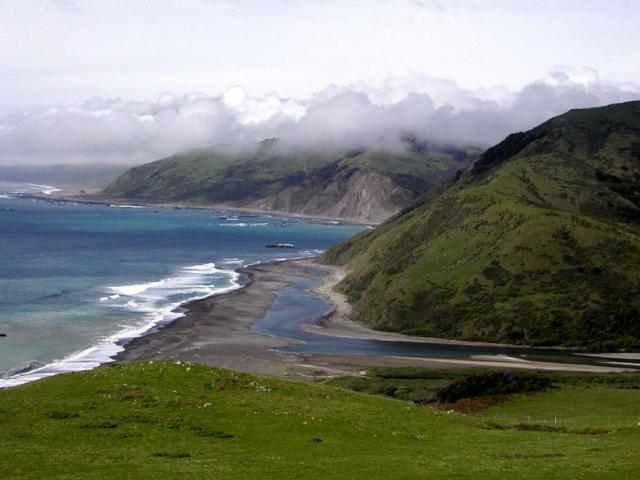
An estuary is a unique type of water body where a river meets the sea. It is characterized by the mixing of freshwater and saltwater, resulting in brackish water. Estuaries serve as vital habitats for numerous species of fish, birds, and other wildlife. They also play a crucial role in filtering pollutants and serving as breeding grounds for many marine organisms.
Canal
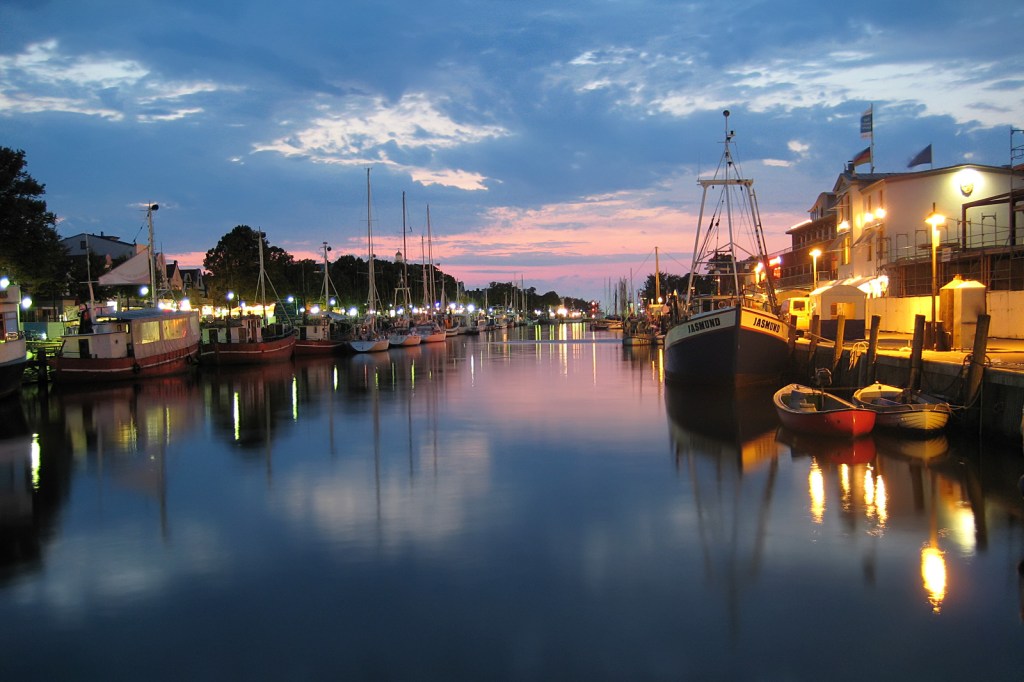
Unlike natural water bodies, canals are human-made channels built for various purposes, such as irrigation, navigation, or water supply. Canals can be connected to rivers or reservoirs and are carefully engineered to control the water’s flow. They serve as essential transportation routes and play a crucial role in agriculture and commerce.
Waterfall
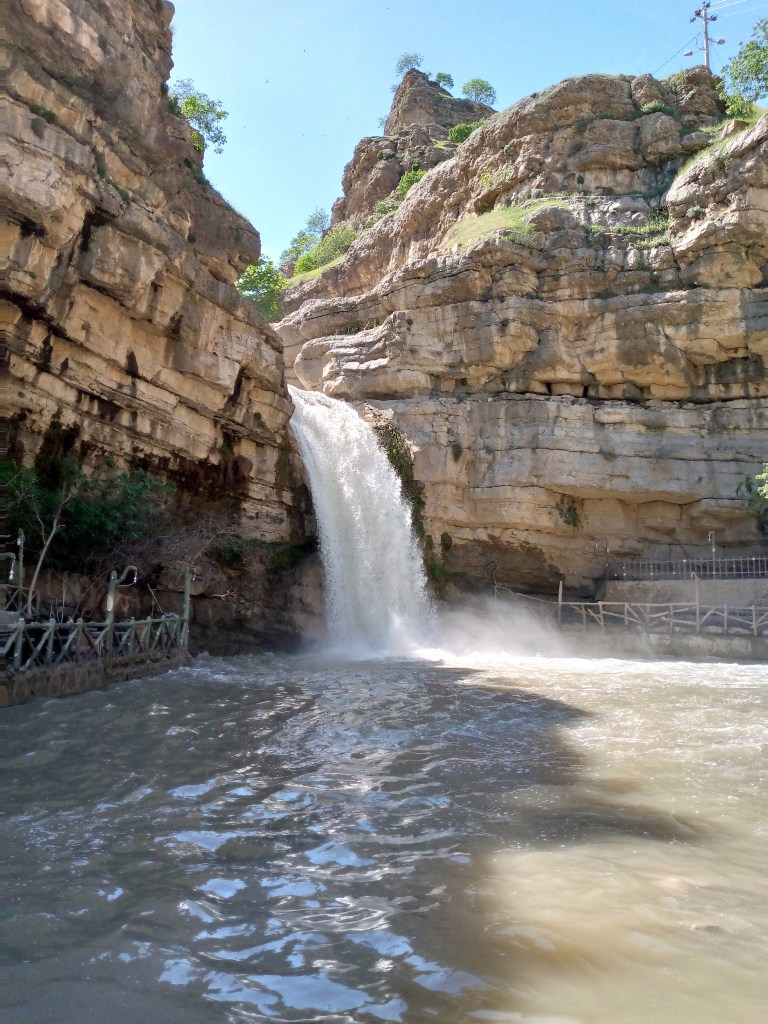
A waterfall is a stunning natural feature where water cascades from a higher to a lower elevation. They are typically found along rivers and streams, often created by changes in the terrain or the presence of resistant rock formations. Waterfalls are not only breathtaking to behold but also contribute to the oxygenation of the surrounding area and provide habitats for specialized plant and animal species.
Rapids
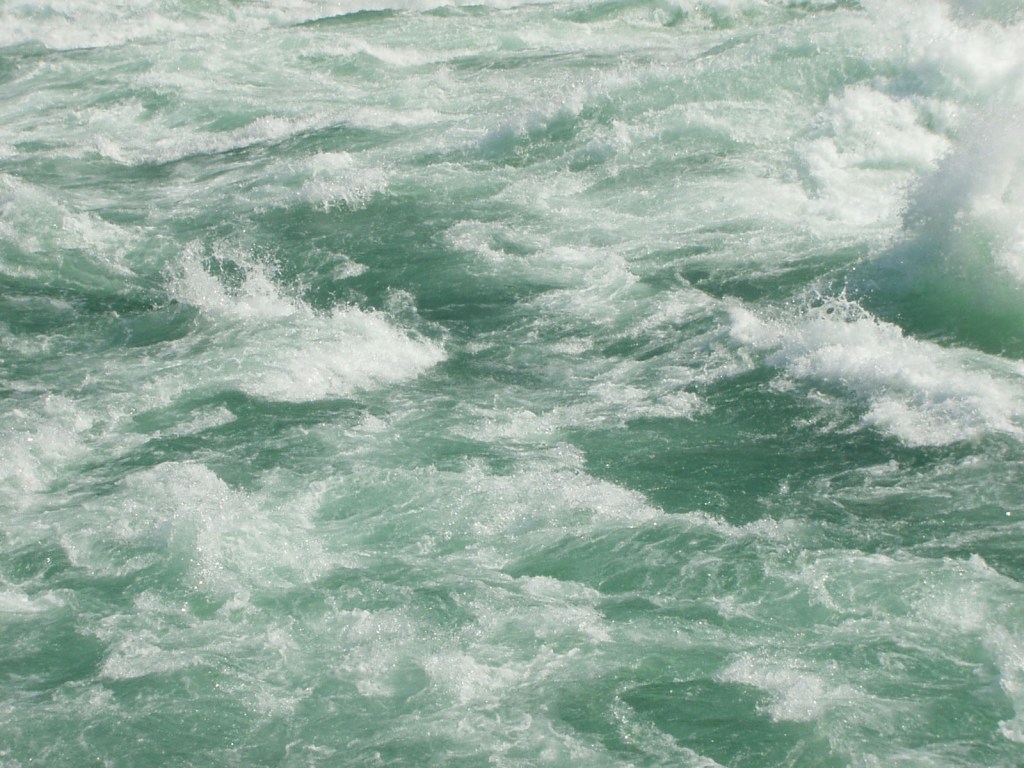
Rapids are sections of a river where the water flows swiftly and turbulently due to a steep gradient or the presence of rocks and boulders. The churning water creates a thrilling and exhilarating experience for whitewater rafters and kayakers. Rapids can range in intensity from mild to extreme, offering different levels of challenges for water sports enthusiasts.
Cascade
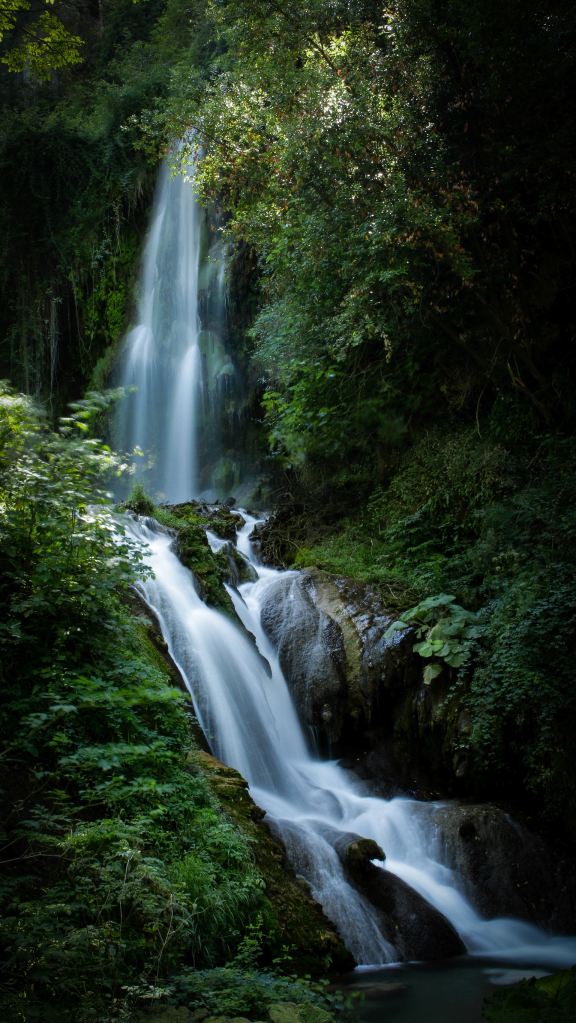
A cascade refers to a series of small waterfalls or steps in a river or stream. It occurs when the water encounters a sudden drop in elevation, causing it to flow rapidly over rocks or ledges. Cascades are visually captivating, with the water tumbling and foaming as it descends. They often create a pleasant sound, contributing to the serene atmosphere of the surrounding environment. Cascades can be found in mountainous regions or areas with uneven terrain.
Though brooks, streams, rivers, and other flowing water bodies share the common feature of moving water, they each possess unique characteristics that distinguish them from one another. Understanding these differences enhances our appreciation of the natural world and its wonders. From the gentle babbling brooks to the roaring rapids, these flowing water bodies offer us a diverse range of experiences and play vital roles in supporting ecosystems and human activities alike. So, the next time you encounter a brook, stream, or river, take a moment to admire its distinctive qualities and the beauty it brings to the world around us.
 Dr KATE
Spectacular sir! The descriptions are mind-blowing. You have described everything about these flowing waters down to the minutest detail. The descriptions are ethereal. Thank you sir for your fabulous insights👌👌👌👌👌
LikeLiked by 1 person