

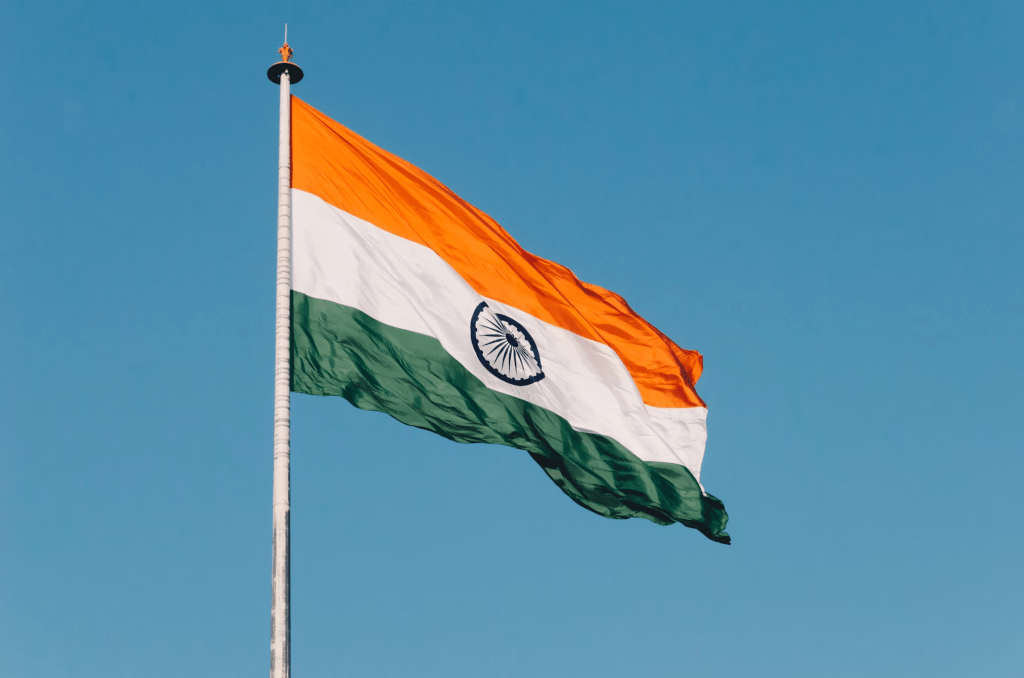
Language is a living entity, constantly evolving and adapting to the changing world around it. As cultures intermingle and societies become more interconnected, words from various languages find their way into English, enriching the language and reflecting our globalized world. India, with its diverse culture and linguistic heritage, has contributed significantly to this linguistic exchange.
In this blog post, we’ll explore ten Indian words that have recently entered the English lexicon, adding a touch of India’s vibrant culture to the global language.
Yoga
Originating from the ancient Indian practice of physical, mental, and spiritual disciplines, yoga has become a global phenomenon. The word “yoga” has entered the English language to denote various forms of exercise, meditation, and mindfulness practices.
Avatar
Derived from the Sanskrit word “avatāra,” meaning “descent” or “incarnation,” the term “avatar” has gained popularity in the English language to refer to a digital representation of oneself or a character in virtual worlds or online platforms.
Masala
The term “masala,” derived from the Hindi language, refers to a blend of spices commonly used in Indian cuisine. Today, it has extended its meaning to describe any mixture or combination of diverse elements, not limited to culinary contexts.
Namaste
With the growing popularity of yoga and Indian spirituality, the word “namaste” has become widespread in English-speaking cultures as a respectful greeting or farewell. It conveys a sense of acknowledgment and connection between individuals.
Chai
Derived from the Hindi word for “tea,” “chai” has become a beloved term worldwide for a spiced and milky tea preparation. The popularity of chai lattes and various chai-flavored products has brought this word into the mainstream English vocabulary.
Guru
In ancient Indian traditions, a “guru” is a teacher or spiritual guide. The word has entered English to refer to any knowledgeable expert or authority in a particular field.
Jugaad
Originating from Hindi, “jugaad” describes an innovative, resourceful, and flexible approach to solving problems with limited resources. In the English language, it reflects the idea of finding creative solutions to challenges.
Bindi
The word “bindi,” taken from Sanskrit, refers to a colored dot or mark traditionally worn by Hindu women on their foreheads. In English, it is used to describe this decorative mark, often adopted as a fashion statement and a symbol of cultural appreciation.
Dharma
“Dharma,” a fundamental concept in Hinduism and Buddhism, represents the moral and ethical principles that govern an individual’s life. In English, it has been integrated into philosophical discussions, referring to one’s life purpose or duty.
Bandhini
Derived from the Gujarati word “bandhan,” meaning “to tie,” “bandhini” refers to a traditional Indian textile dyeing technique that creates intricate patterns. In English, the word is used to describe clothing or fabrics with similar tie-dye designs.
The infusion of Indian words into the English language highlights the richness of India’s cultural heritage and its influence on the global community. These ten words, among others, showcase how language transcends borders and fosters mutual understanding and appreciation between diverse cultures. As our world continues to interconnect, we can expect to see more Indian words, and words from other languages, seamlessly integrate into English, shaping the language’s evolution and reflecting our shared human experiences.
 Dr KATE
Yes Sir. That was a wonderful post about Indian words. In fact there is no substitute for chutney and I have heard foreigners refer to it as sauce. Culture and lifestyle does play a lot in the language. We Indians have definitely enriched the English language with our Indian vocabulary, sir👍🙌👏
LikeLike