

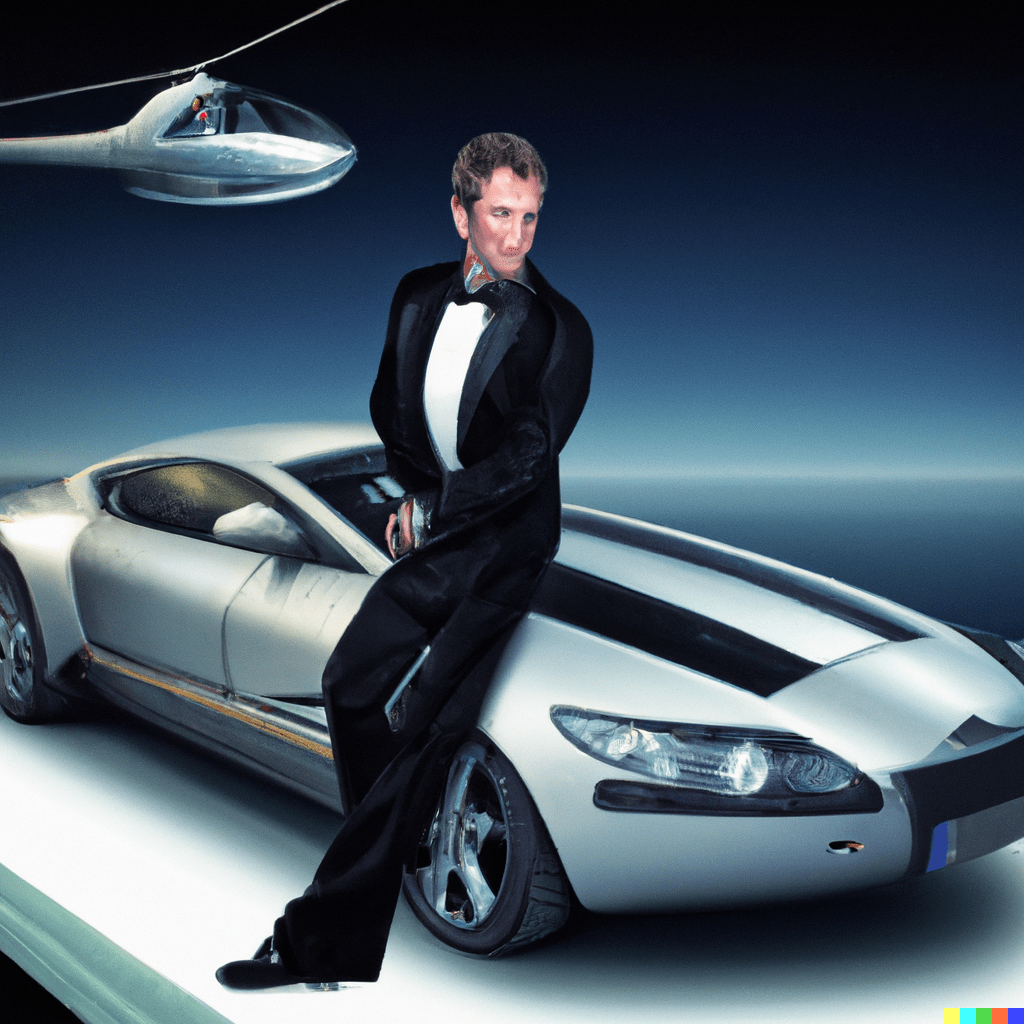
Hey there, Bond fans! Today, we’re going to explore the world of the legendary super-spy, James Bond. But we’re not just talking about the suave, action-packed hero we’ve seen on the big screen. We’ll dive into the differences between the James Bond of the novels, created by Ian Fleming, and the James Bond portrayed in the movies. Are you ready to uncover some intriguing insights? Let’s go!
- The Look
The very first difference we notice is the appearance of Bond. Ian Fleming’s literary Bond has a more understated look. He’s described as a man with a lean build, short black hair, and a cruel mouth. His style is simple, preferring well-tailored suits without being overly flashy.
In contrast, the movie Bond has become synonymous with suave sophistication. He’s often played by actors with striking features and impeccable style, making him quite the dashing gentleman. And let’s not forget the iconic tuxedo he dons in almost every film!
2. The Gadgets
The second difference is the number and complexity of gadgets Bond uses. In the novels, the gadgets are minimal and more realistic. Bond relies on his wits and skills to get through dangerous situations. He uses some cool gadgets, but they’re not as extravagant as what we see in the movies.
The movie Bond, however, is known for his flashy, high-tech gadgets. Thanks to Q, Bond has access to an arsenal of unbelievable tools, from cars equipped with machine guns to watches with lasers. These extravagant gadgets have become a staple of the Bond franchise and add an extra layer of excitement to the films.
3. The Bond Girls
Next up, let’s talk about the women in Bond’s life. In the novels, Bond’s relationships with women are more nuanced and less glamorous. The relationships often involve deep emotional connections and reveal a more vulnerable side of Bond.
However, in the movies, the Bond girls are often portrayed as stunning beauties who are involved in high-stakes situations. While some of these women play vital roles in the story, their primary purpose is often to provide eye candy and romantic interest. This difference gives the movie Bond a more superficial persona when it comes to his relationships.
4. The Villains
The villains that Bond faces in the novels and movies also differ. In the novels, the antagonists are more grounded in reality, with plausible motives and schemes. These villains are often high-ranking officials or members of the criminal underworld.
On the other hand, the movie villains tend to be more over-the-top, with elaborate plans for world domination or destruction. They are often eccentric, with unique physical traits or characteristics that make them memorable. This difference creates a more fantastical and larger-than-life atmosphere in the films.
5. The Tone
Lastly, the overall tone of the novels and movies is quite different. Fleming’s novels are darker, grittier, and more grounded in reality. They delve into the complexities of Bond’s character, revealing his flaws and vulnerabilities.
The movies, in contrast, focus more on action and entertainment. While there are some darker and more complex Bond films, the majority aim for a lighter tone and escapism. This difference has allowed the movie Bond to appeal to a broader audience, but it also means losing some of the depth found in the original novels.
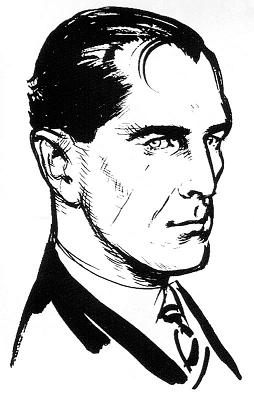
James Bond 007 as imagined by Ian Fleming
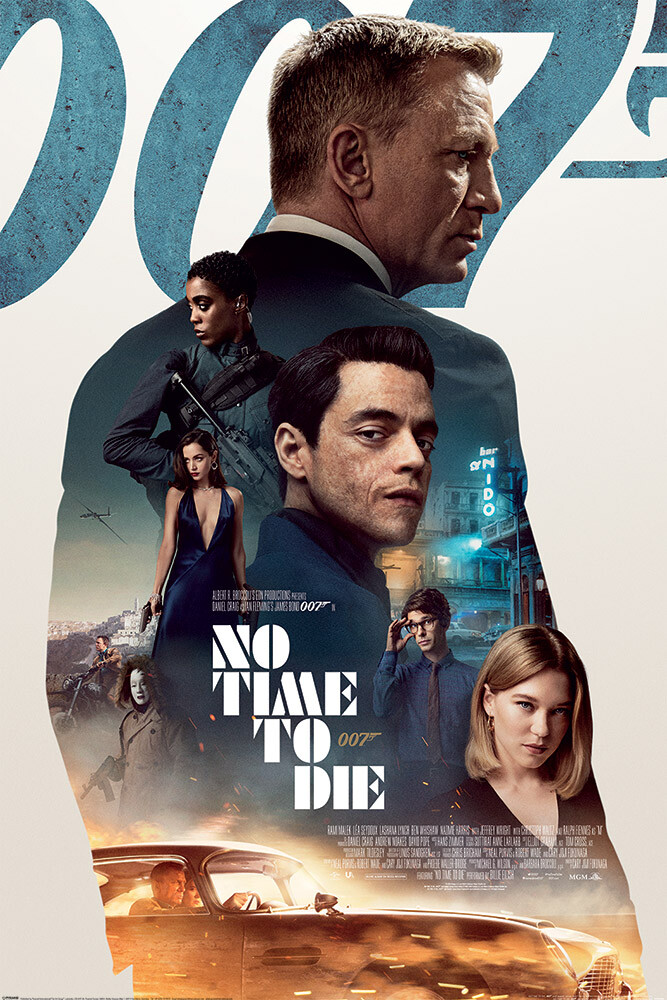
Poster of the Latest James Bond Movie “No Time to Die”
So, there you have it – five differences between the James Bond of the novels and the James Bond of the movies. Both versions have their unique charm, and it’s fascinating to see how the character has evolved over time. Whether you prefer the grittier, more human Bond of the novels or the suave, action-packed Bond of the movies, there is no denying the fact that James Bond has become a synonym to the greatest SPY imagination has ever created.
Happy spying! (wait, no, no!) Happy reading …
 Dr KATE
A well thought out analysis. 👍
LikeLike